
Searching Drew County Civil Dockets
Begin with Search ARCourts, the free public entry point. Pick a participant or case-number route. Filter to Drew County when that option appears. An exact case number works best. For a person, spell the legal name the way the court does. For a business, try the Organization or Case Description field. Then check the caption, filed year, case type, status, and party role before you open the chronology.
Search ARCourts has limits, though. Some records stay restricted, and images may not appear. For Circuit civil records, call the Drew County Circuit Clerk at (870) 460-6250, fax (870) 460-6255, send email, or visit 210 South Main Street. District civil and small-claims questions go to the State District Court clerk at 107 East Jackson Street, (870) 367-4420. Probate instruments belong to the County Clerk at 210 South Main Street, (870) 460-6260. Each office can explain in-person inspection or a courthouse workstation.
- Classify the matter as Circuit, District, or probate before searching.
- Use the exact case number, or enter the party or organization name.
- Filter to Drew County and compare court, caption, year, and case type.
- Read the filing history from the complaint or petition forward.
- Check future events, then locate the latest judgment or dismissal entry.
- Request the exact document or certification from the proper custodian.
Drew County Civil Search Fields
Search ARCourts took over from the older Public CourtConnect route. It can show parties, the judge, filings, future events, judgments, and some linked public documents. The controls themselves may include first, middle, and last name fields. An organization or case-description field may sit there too. A case-number mode is often offered. Optional filters cover county, court, case type, and status. Labels can change without warning. Trust the fields on the screen in front of you. Do not rely on an old layout you remember.
| Field | Use | Drew County check |
|---|---|---|
| Case number | Exact case route | Preserve punctuation |
| Participant name | Person search | Check role and same-name hits |
| Organization or description | Entity party search | Try the official entity name |
| County or court | Venue filter | Separate Circuit from District |
| Status or case type | Optional narrowing | Use only visible choices |
The Arkansas Judiciary's Search ARCourts explanation lays out what the portal covers and which public data categories it displays.
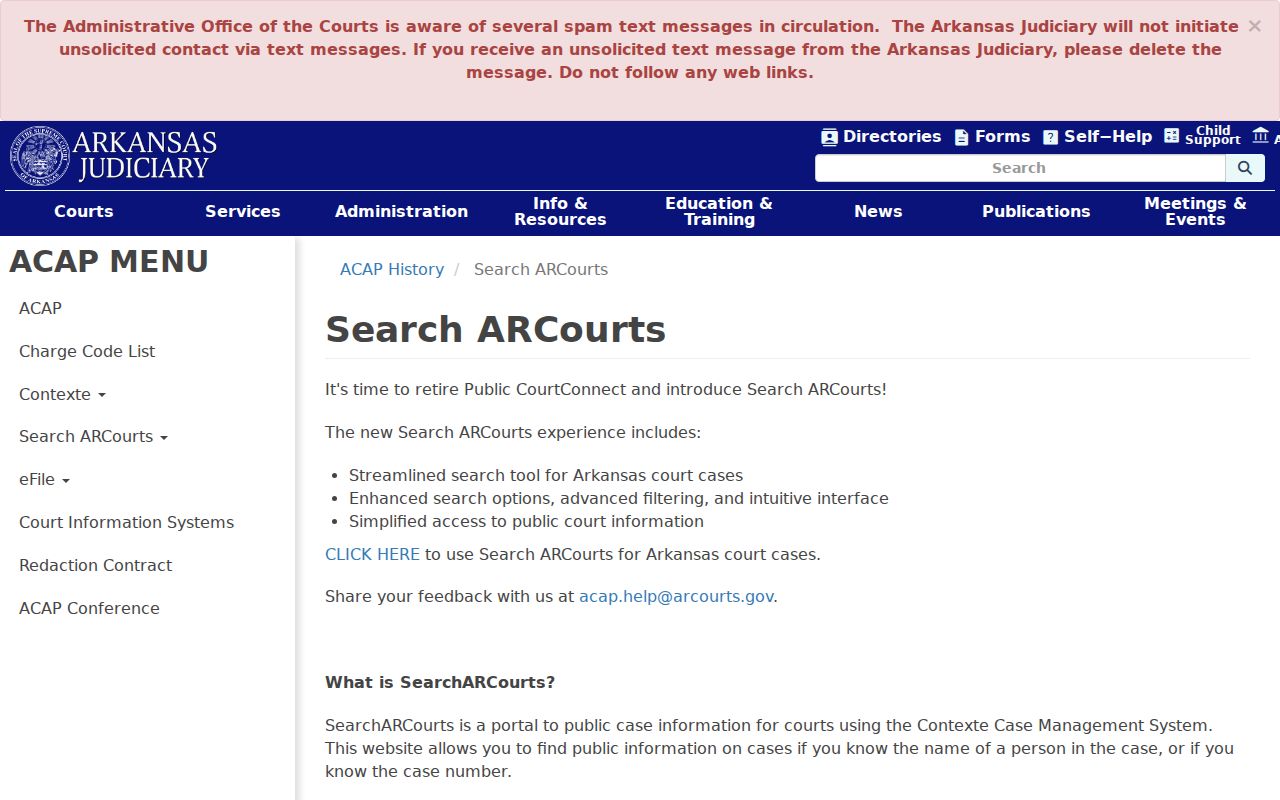
This portal view helps you trace a Drew County civil case history. The filed record itself still sits with the local clerk.
Inside a Drew County Civil Docket
Think of a Drew County civil docket as both an index and a time line. It opens with the case number, court, and judge. The header also shows the filed date, case type, caption, party roles, attorneys, and status. The entries that follow run in order. You may see a complaint or petition, summons, service return, or answer. Motions, notices, hearings, orders, judgments, enforcement steps, and appeals can appear too. A linked PDF is the actual filed item behind an entry. One caution: the docket line alone may not convey the complete ruling.
| Case number | The court's unique identifier; use it exactly in a record request. |
|---|---|
| Caption and roles | The parties and whether each is plaintiff, defendant, petitioner, or respondent. |
| Service | Whether and how the initiating papers were delivered. |
| Filings and motions | The date-stamped papers and requests placed before the judge. |
| Future event | An upcoming setting, subject to later reset or court confirmation. |
| Judgment | The formal adjudication, which should be read rather than inferred from status. |
Expect gaps. Protected identifiers, sealed exhibits, family details, and other confidential material can be missing or redacted, and a blank field does not prove the fact never existed.
Drew County Civil Record Custodians
The filing type decides which Drew County clerk can hand you the civil record. Major civil cases normally live in Circuit Court. State District Court takes civil and small-claims matters within its current statutory jurisdiction. It also receives referrals that Circuit Court specifies. Probate instruments stay with the County Clerk. Some case details can still surface in Search ARCourts. Adoption records are different: treat them as restricted, never as presumed public.
| Matter | Likely custodian | Contact |
|---|---|---|
| Major civil, domestic | Drew County Circuit Clerk | 210 S. Main, (870) 460-6250 |
| District civil, small claims | Drew County State District Court clerk | 107 E. Jackson, (870) 367-4420 |
| Estate, guardianship, adoption instrument | Drew County Clerk | 210 S. Main, (870) 460-6260 |
Never guess a dollar threshold or venue from a portal category. Those limits and procedural rules can change, so confirm current jurisdiction and filing venue with the clerk.
Civil Case Types on the Docket
Circuit Court dockets in Drew County cover several dispute types. Contract, tort, property, domestic-relations, petition-based, and post-judgment matters all fit. District Court handles its own civil and small-claims work. The administrative plan also lets the State District Judge take certain referrals. Those include forcible-entry, unlawful-detainer, and commitment petitions. A referral can add an event to the docket. The case then returns to the circuit division.
- Contract, debt, tort, and property claims within the filing court's jurisdiction
- Domestic-relations cases where the public record is not restricted
- Small-claims and other District Court civil matters
- Estate and guardianship proceedings with probate instruments at the County Clerk
- Post-judgment writs, enforcement filings, and appeal notices
The court label matters more than a broad civil tag. Read the caption, the case type, and the initiating pleading to learn what the Drew County civil docket actually concerns.
Drew County Civil Service Entries
Service and answer entries tell you whether a Drew County civil case has reached its next procedural step. The complaint or petition starts the action. A summons is the court-issued notice that demands a response. A return records whether and how process was delivered. An answer is the responding party's formal reply. When those entries are missing or thin, the case may not be ready for a motion or a trial setting.
- Summons
- Court-issued notice directing a civil defendant to respond.
- Return or service
- The record of whether and how process was delivered.
- Answer
- The responding party's formal reply to the civil allegations.
- Motion
- A request asking the court for a specific ruling.
Read the entries in date order. An order can resolve one motion without ending the whole case, and later service can change which claims are ready to proceed.
Civil Docket Settings and Hearings
Search ARCourts shows future events once the setting court enters them. A Drew County civil docket may list many labels. Motion hearing, status conference, review, bench trial, jury trial, and more can appear. Read the labels with care. Match the newest future event against the filing chronology. A notice of hearing can sit beside a continuance entry with its replacement date. The old entry stays visible meanwhile.
Confirm first. For a near-term Drew County civil setting, check with the proper clerk. The assigned judge's coordinator is another option. The clerk maintains the case record. The judge controls scheduling. Calling a clerk never continues a hearing by itself. When no future event appears online, the Drew County Court Dates route adds phone and in-person fallbacks.
Note: Bring the case number, court, division, party role, and the date shown on the notice when asking staff to verify a setting.
Drew County Civil Outcome Terms
A disposed label ends the case, not the question. It tells you nothing about how a Drew County civil matter concluded. Find the closing entry. It may be a judgment, dismissal, or nonsuit. A default judgment follows a failure to respond or appear, subject to procedural safeguards, while a nonsuit is the plaintiff voluntarily ending a claim under the applicable rules. A dismissal can arise for other reasons, and its text controls whether the matter may be filed again.
Read the final entry. A portal status is a search aid. The signed judgment or dismissal order states the actual result and should be obtained from the custodian when the outcome matters.
Not every filing has a link. Copy the exact filing title and date. Ask the clerk for that item rather than an undefined complete file, because a focused request makes it easier to identify page count, access limits, certification, cost, and delivery.
Drew County Civil File Certification
Think in layers. Search ARCourts supplies the docket layer. The filed complaint, answer, order, or judgment is the document layer. A certified copy is a third layer, produced and attested by the clerk. A browser printout is not a certified judgment. Capture the case number, caption, exact document title, and filing date. Then contact the correct Drew County office.
Drew County posts no online fee schedule or copy-request form. Ask for a quote, page count, processing time, delivery method, payment method, and whether certification can be mailed. Older civil files may be paper or microfilm. Ask about retrieval time and in-person inspection. Never email Social Security numbers, full birth dates, or account numbers.
Arkansas eFlex is separate from public docket access. Registered filers use it to submit documents for clerk review. The public searches case history through Search ARCourts. The Arkansas Code research portal is the official source. It carries current civil statutes and jurisdiction rules.
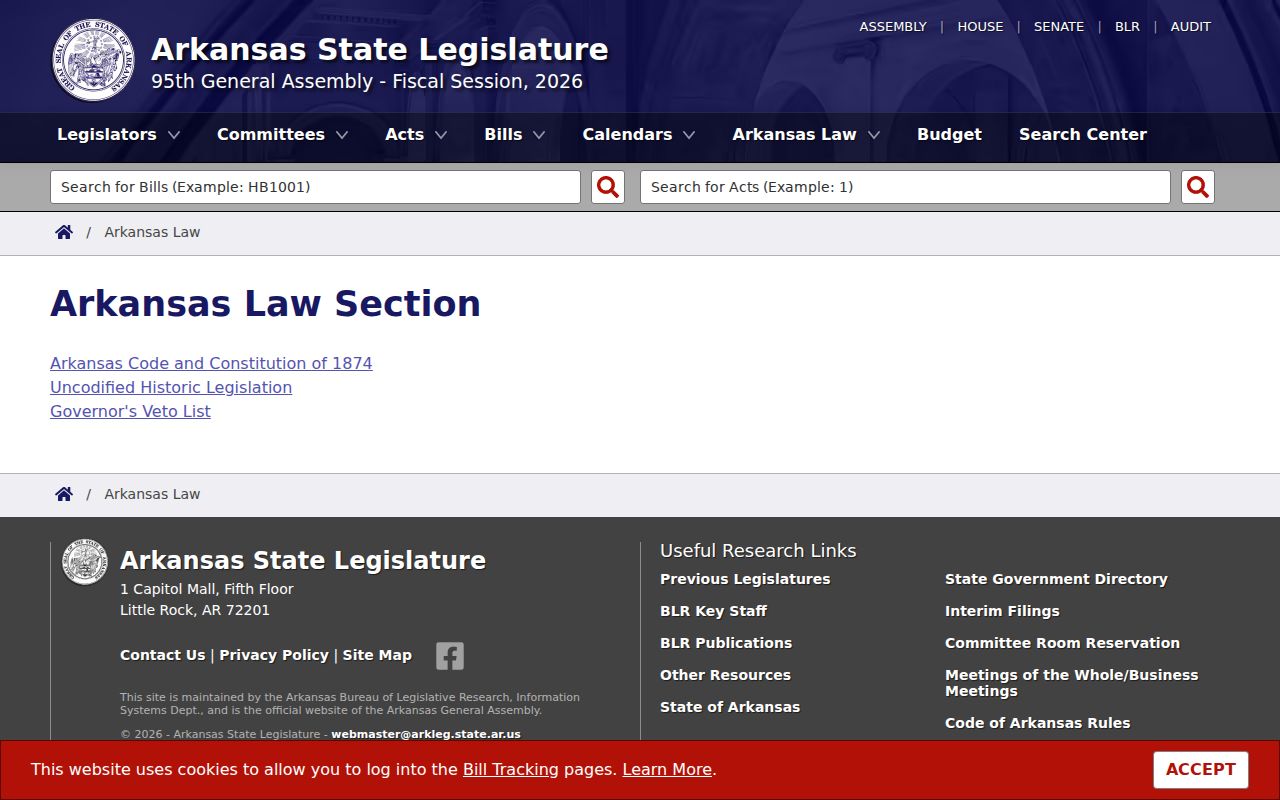
Statutes live in the code. For a specific Drew County civil case, the clerk supplies the filed record that the law actually turns on.
Civil Docket Access Rules
Arkansas Supreme Court Administrative Order 19 governs access to court records. It defines court records broadly. Filed documents count, along with case-management information such as dockets and indexes. Access during regular business hours includes the right to a copy. Remote access is permitted. No court must publish every record or document online.
Order 19 excludes certain material. That covers data made confidential by law or order, Social Security numbers, protected account information, and other sensitive material, so adoption records, sealed filings, and restricted family information call for special care. The rule does offer an extraordinary written and notarized request process for an excluded court record, complete with notice and judicial review. A routine clerk request cannot break a seal.
Arkansas access framework:
Administrative Orders 19 and 19.1 govern court access and public-version redaction.
Administrative Order 21 governs electronic filing through eFlex.
Arkansas FOIA, Ark. Code §§25-19-101 et seq. governs public records generally, while Administrative Order 19 specifically controls case-record access.
The Administrative Office of the Courts displays statewide data. It does not hold Drew County's original civil file, so send any case-specific request to the local clerk who maintains the record.